







Search Results for: and bitterness
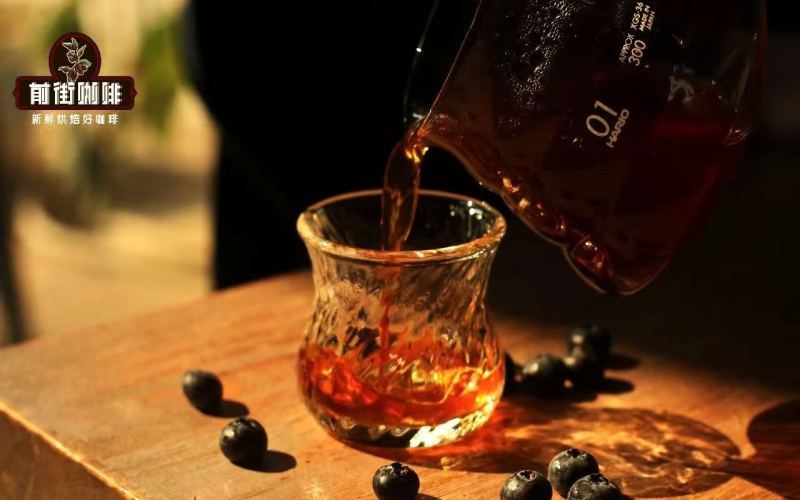
How do people who dislike bitterness choose coffee beans?
“This coffee is too bitter, I can't drink it.” Many people are familiar with this remark. But in fact, how bitter coffee tastes depends largely on the choice of beans and the brewing method. As long as you choose the right direction, even people who fear bitterness can find a cup they enjoy. The core approach to choosing beans for those who fear bitterness: First, avoid dark-roasted beans. The darker the roast, the more charred [more…]
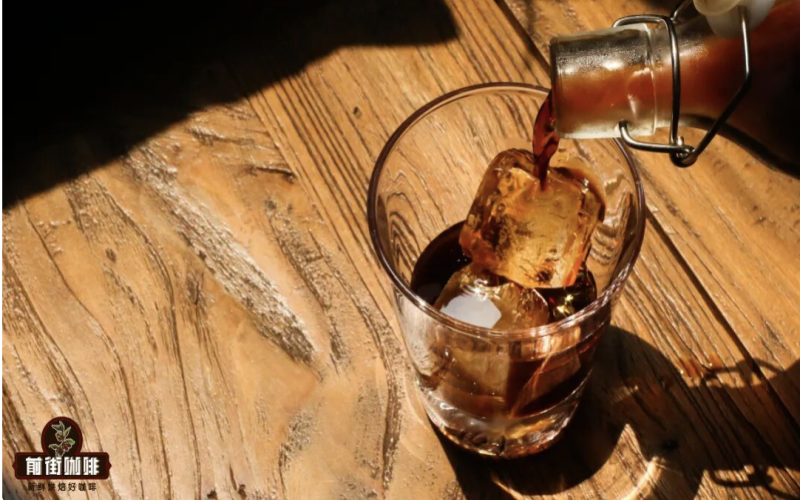
Why isn't cold brew bitter? Understand the principle and choose beans more wisely in summer
The same bag of beans, hot-brewed, comes out bitter and astringent, but made into cold brew, it's clean, sweet, and delicious. This isn't an illusion—it's determined by the principles of extraction. Once you understand "why cold brew isn't bitter," you'll know what kind of beans to choose for summer, and you'll never have to worry about buying "cold bitter water" again. Where does coffee's bitterness come from? The bitterness in a cup of coffee mainly comes from [more…]
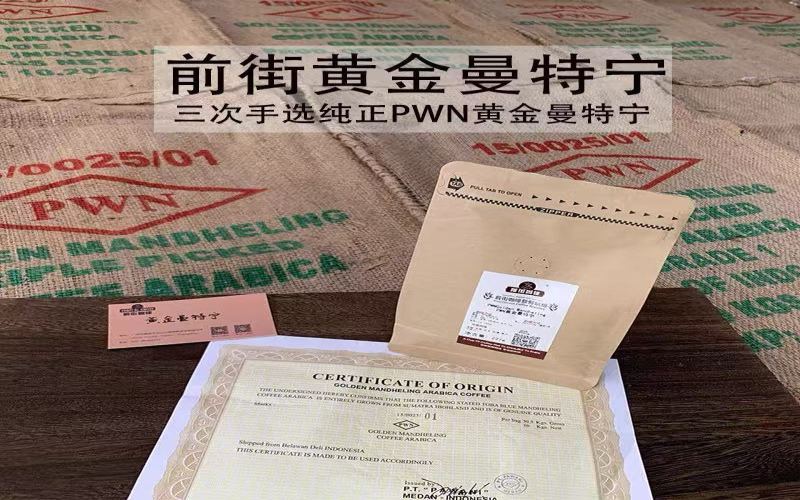
Are Dark Roast Beans Always Bitter? Understanding Dark Roast Coffee Even If You Fear Bitterness
The word "dark roast" has turned many people away—the mere thought of it conjures up an image of a bitter, astringent cup of strong coffee. But if you ask people who truly understand coffee, they will most likely tell you: the bitterness of dark-roasted [more…]
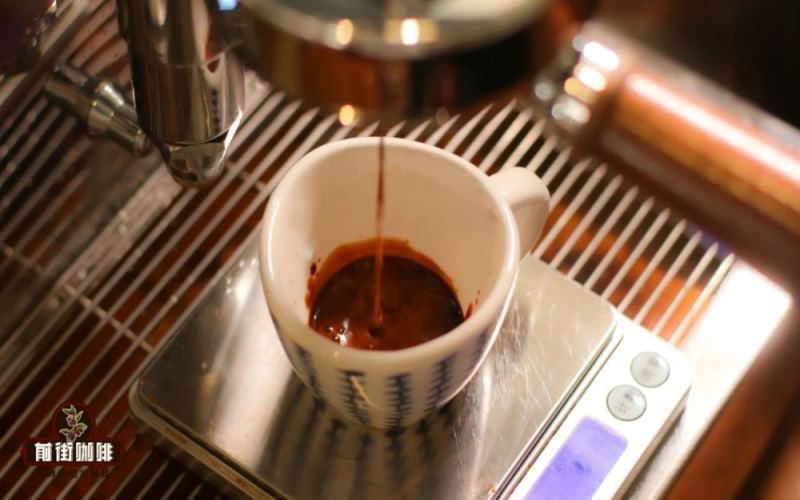
What are the differences between espresso and Americano? A full analysis of espresso and SOE flavor characteristics
Many people are startled by the bitterness of their first espresso, wondering how such a small cup can be so bitter. In fact, bitterness is not all that espresso has to offer—behind it lies a rich aroma and a full-bodied mouthfeel. Starting from the characteristics of espresso, this article explores why it is bitter, where that bitterness comes from, and how SOE (Single Origin Espresso) is changing the stereotype that espresso is nothing but bitter. It will also explain the relationship between Americano and the espresso-based coffee system, helping coffee lovers gain a more comprehensive understanding of the differences between these two common coffees and their respective charms. [more…]

Dark Roast Coffee Pour-Over Tutorial | Why Are Japanese Dark Roast Coffee Beans Bitter? How to Brew Out the Sweetness of Deep-Roasted PWN Golden Mandheling?
If you were born before the millennium, your first impression of black coffee was probably a uniform bitterness—the only non-bitter coffee being Nescafé 2-in-1. This uniformly bitter coffee was actually caused by the dark-roasted coffee beans popular in the last century. Unlike today's favored light [more…]
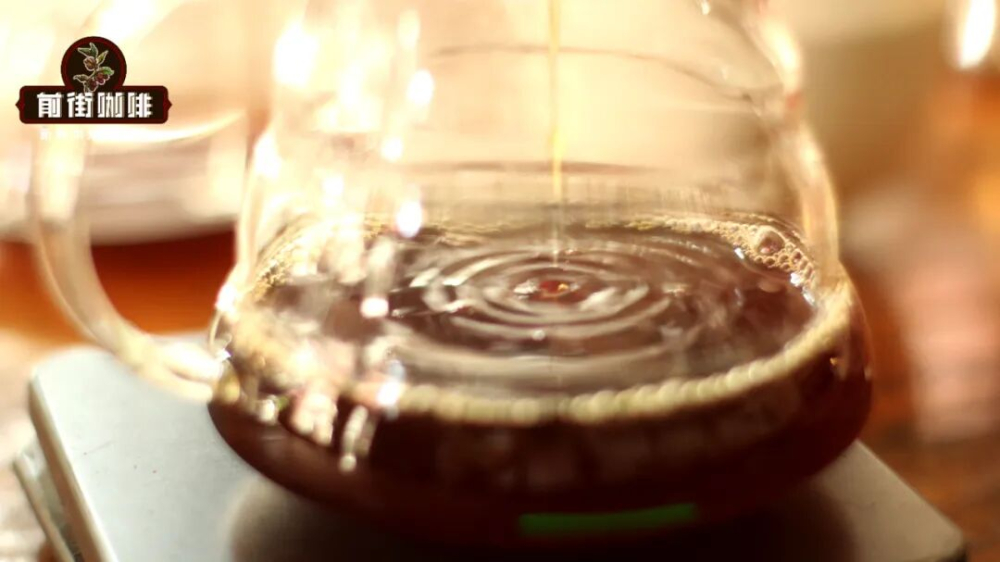
Dark Roast Coffee Beans Pour-Over Technique Tutorial | Why Does Pour-Over Coffee Have a Burnt, Bitter Taste? What Water Temperature Should Be Used to Brew Indonesian Mandheling, Brazilian, and Colombian Coffee?
Newcomers often say that brewing coffee feels like a mystic art, and whether it tastes good or not is purely a matter of luck. But in Front Street Coffee's view, as long as you find the logic and patterns behind brewing, you'll discover that it's actually not that complicated at all—it's simply about finding a few key parameters and using hot water to fully extract the coffee grounds, ultimately getting a cup that tastes good. [more…]
American-Style Flavor | Why Is Americano Bitter? What Factors Affect the Taste of Americano Black Coffee? Why Is Iced Americano So Bitter Yet So Popular?
Introduction: Americano can be said to be a type of coffee that many consumers greatly enjoy. It is convenient, quick, and can rapidly satisfy most people's caffeine needs. At the same time, it consists of only two parts: water and espresso, making it a type of what we commonly call black coffee. Black coffee also reflects the quality of the coffee beans, so [more…]
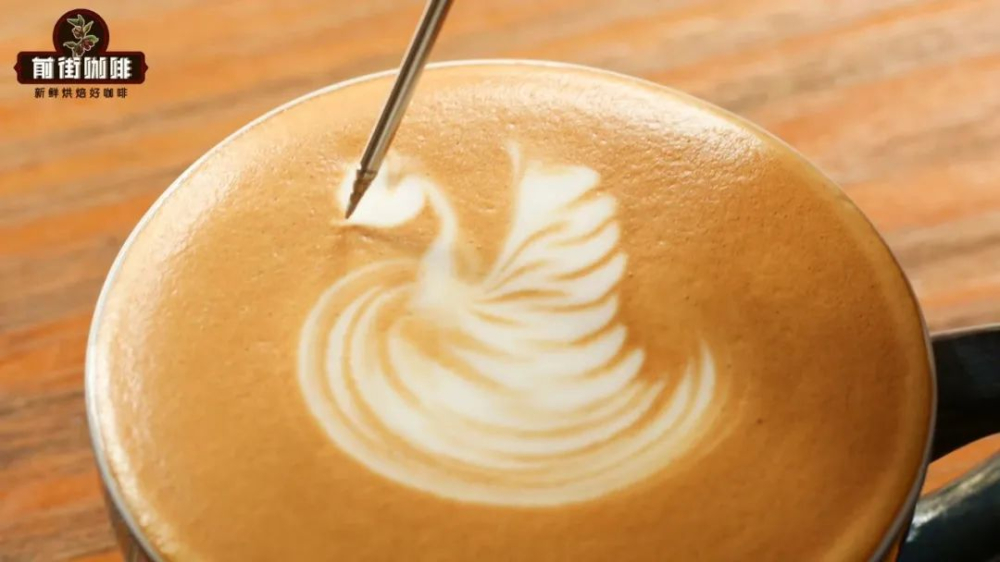
Latte Recipe | Can You Add Ice to a Hot Latte? What Makes a Latte Both Bitter and Weak? How to Adjust Extraction Parameters to Make a Delicious Latte?
I'm not sure if everyone remembers the first time they had a latte—many people probably have long since forgotten—but Front Street Coffee still remembers it vividly. The first glimpse of the delicate latte art was immediately eye-catching; a small sip revealed the faintly sweet aroma and hint of bitterness released by the crema, and by the second sip, the earlier intense bitterness had transformed into [more…]
Beginner's Everyday Beans | Which Coffee Beans Are Good for Pour-Over Without Being Sour? Recommended Dark Roast Single-Origin Pour-Over Beans That Are Neither Bitter Nor Astringent, with a Long-Lasting Sweet Finish
"A sweet aftertaste that promotes salivation, with bitterness giving way to sweetness" is the highest praise people give to a good cup of tea, and in coffee tasting, people also often use the term "sweet aftertaste," usually referring to coffee having a pleasing mouthfeel. So what exactly kind of taste experience is it when you perceive a sweet aftertaste in coffee? And how does it differ from the sweetness of coffee? [more…]
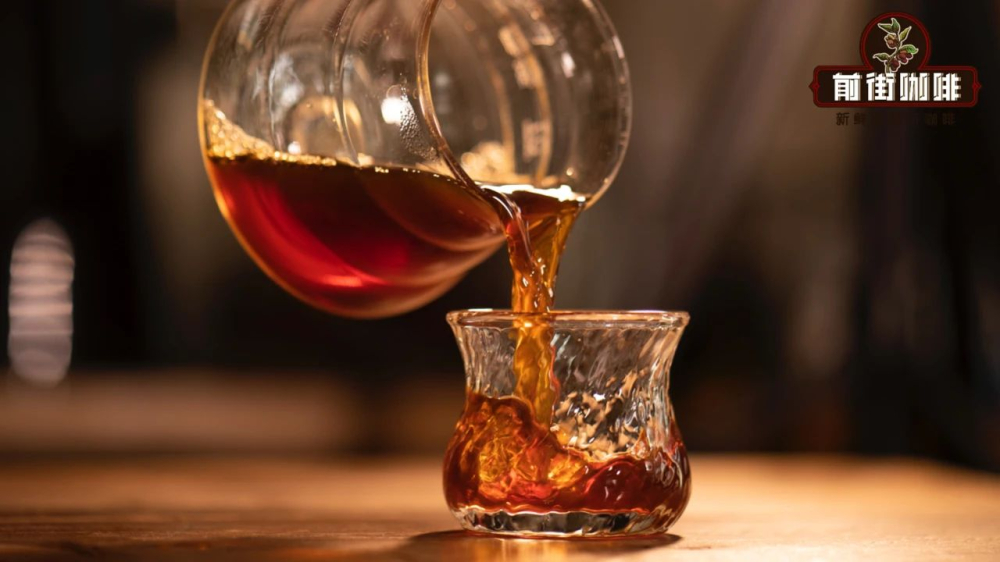
Recommendations for Coffee Beans with Pronounced Sweetness | Where Does Coffee Sweetness Come From? How to Describe the Coffee Flavor of Natural Yirgacheffe? Is Brazilian Coffee Only Bitter?
For more specialty coffee knowledge, please follow our WeChat official account: Front Street Coffee (FrontStreet Coffee). Everyone has different perceptions and preferences when it comes to the taste of coffee. Some friends think of coffee as that rich, fragrant, bitter brew, while others love coffee with a tangy acidity, and still others [more…]
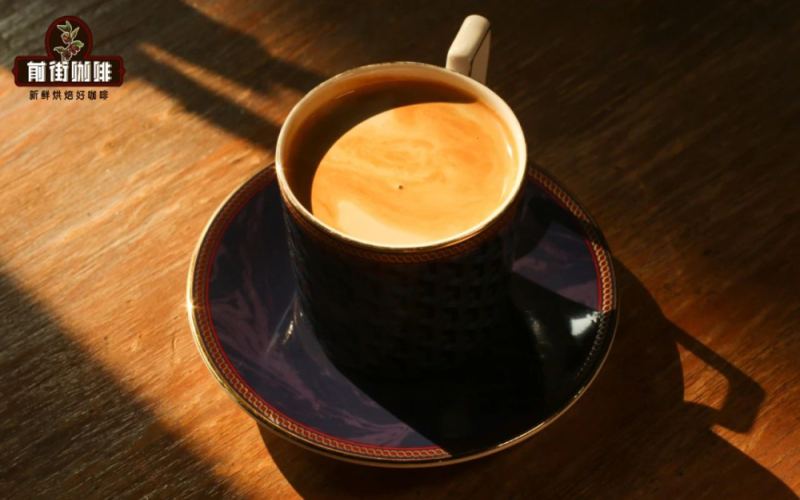
American Coffee Bean Buying Guide | Why Is American Black Coffee Bitter? Which Low-Acid, Non-Bitter Espresso Blend Beans Are Recommended for Home Coffee Machines?
Espresso refers to the concentrated liquid extracted using an espresso machine. In most cases, the espresso concentrate is not used for direct serving. Of course, sometimes some customers, for the sake of alertness and a strong taste, will order espresso; this situation is not common. Espresso concentrate is brewed at a 1:2 ratio, and its [more…]
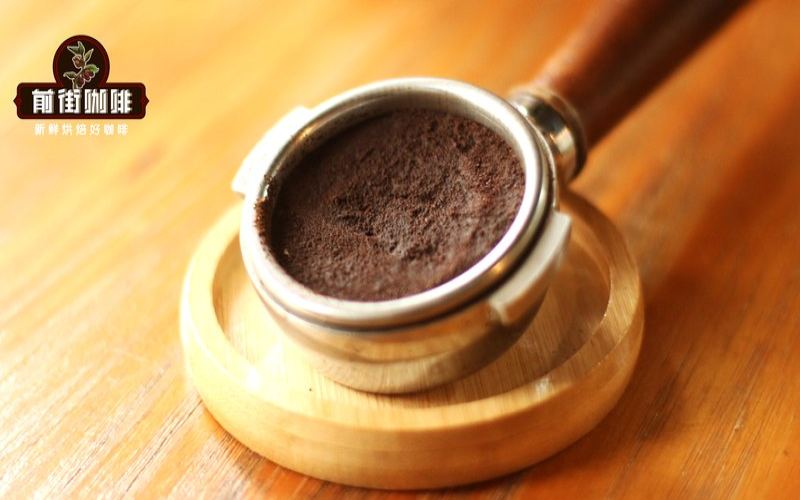
Recommendations for Single-Origin Pour-Over Coffee Beans with Mild Acidity and Bitterness: Balancing Budget and Drinking Frequency
To talk about single-origin pour-over coffee beans with a mild balance of acidity and bitterness, we have to start with the actual taste in the cup. When buying beans for everyday use, you need to consider how quickly you'll drink them, how much to buy at a time, and whether your home mainly makes black coffee or milk coffee. The roast level of the beans determines the basic flavor, the origin and processing method bring differences in aroma, and the equipment you use will change the strength—so when choosing beans, [more…]

The Benefits of Americano | What Causes Americano to Taste Bitter? How Can You Adjust the Flavor and Taste of Americano? Why Is Iced Americano So Popular?
Introduction: Americano can be said to be a type of coffee that many consumers really enjoy. It's convenient, quick, and can rapidly satisfy most people's caffeine needs. At the same time, it consists of only two parts—water and espresso—making it a type of what we commonly call black coffee. Black coffee also reflects the quality of the coffee beans, so [more…]

Don't like bitter coffee? This strawberry candy-flavored espresso bean is worth a try
"This coffee is too bitter—I just can't drink it." If you've ever had this thought, it may not be that you dislike coffee—it's that you haven't found the right flavor. Traditional espresso beans mostly take a rich, intense route, with bitterness and roast character as the main notes. But Front Street Strawberry Candy coffee beans take a different path: fruity espresso. Its espresso smells [more…]
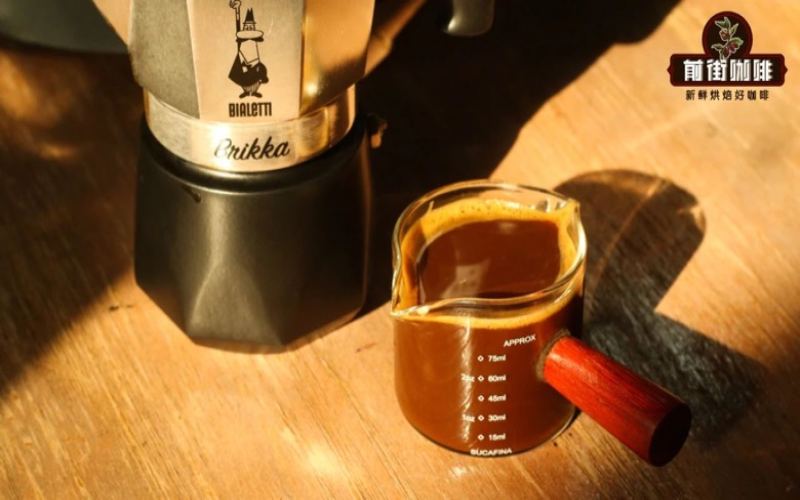
Moka Pot Bean Pitfall Guide: Where Do Sourness, Bitterness, Burnt and Muddy Flavors Come From?
Most people who brew with a moka pot have experienced that one cup of coffee that just "tastes off." You can't quite call it bad, but a sharp sourness, burnt bitterness, or astringent, muddled flavor lingers on your tongue and won't go away. Many people assume the heat wasn't controlled properly, but the problem usually lies with the beans. The moka pot's high-temperature extraction is quite sensitive to flaws in the beans, so choosing [more…]
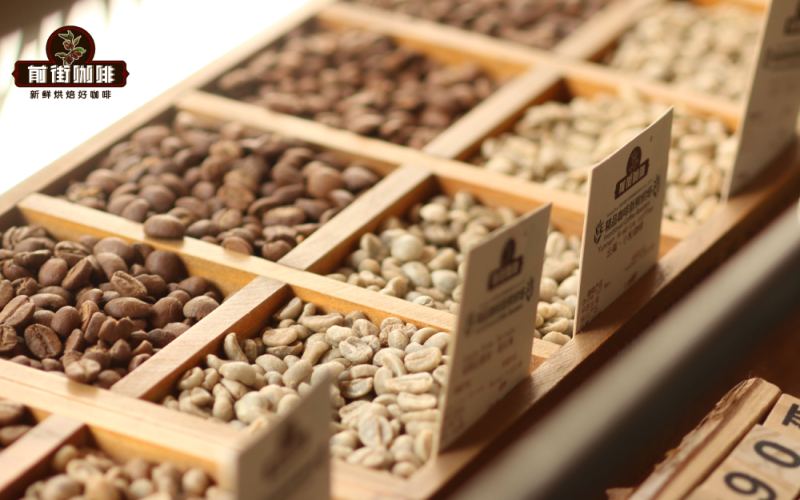
Italian Coffee Staple Beans | Why Is Americano Bitter? Recommended Espresso Blend Coffee Beans for a Smooth, Balanced Americano with No Sourness or Bitterness
Americano may have already become the mainstream choice in coffee shops, especially in summer—nothing beats the refreshing feeling of an iced Americano. Coffee has become a daily habit for many people; sometimes it's about savoring the slow moments of life, and other times it's to add a boost of mental energy to a weary life of day-night reversal. No [more…]
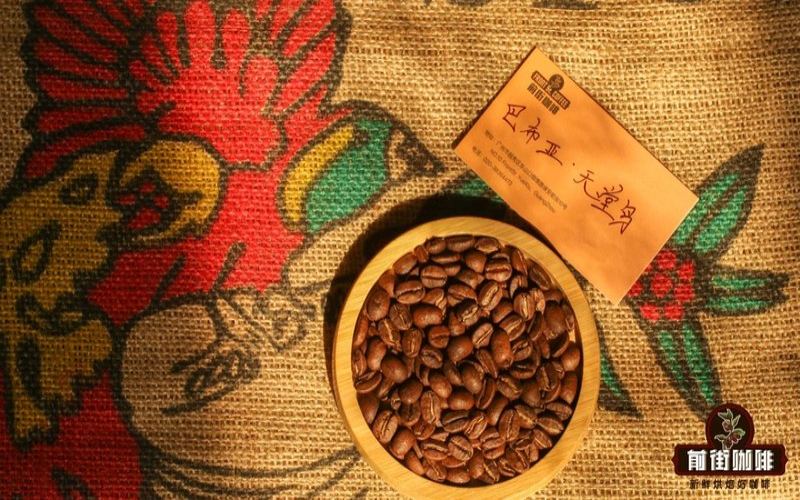
Choosing single-origin pour-over beans that are neither sour nor bitter based on roast level
If you want a single-origin pour-over with soft acidity and a bitterness that doesn't steal the show, roast level is a very practical place to start. A light roast preserves floral and fruity notes, but it may come across as bright; a medium roast more easily brings out sweetness and roundness; a dark roast offers cocoa, nuts, and a fuller body. The key is not to chase the absence of acidity or bitterness, but to let both sensations land in [more…]
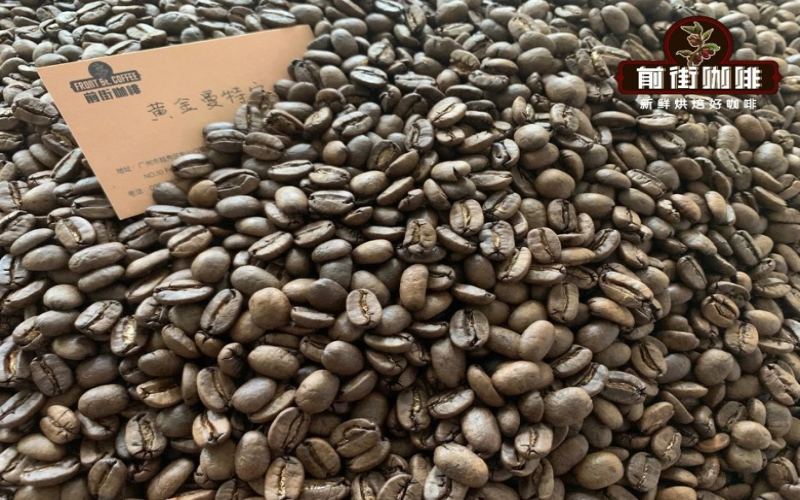
The Richness of Dark Roast Coffee: Balancing Oils, Caramel, and Mouthfeel
The charm of dark roast coffee lies in its steady, full-bodied richness. Many people use "heavy" and "smooth" to describe it—this mouthfeel is not a one-dimensional bitterness, but a balance woven from caramel sweetness, bitterness, and an oily richness. Once you understand where the richness of dark roast beans comes from, drinking it becomes even more enjoyable. The foundation of richness [more…]
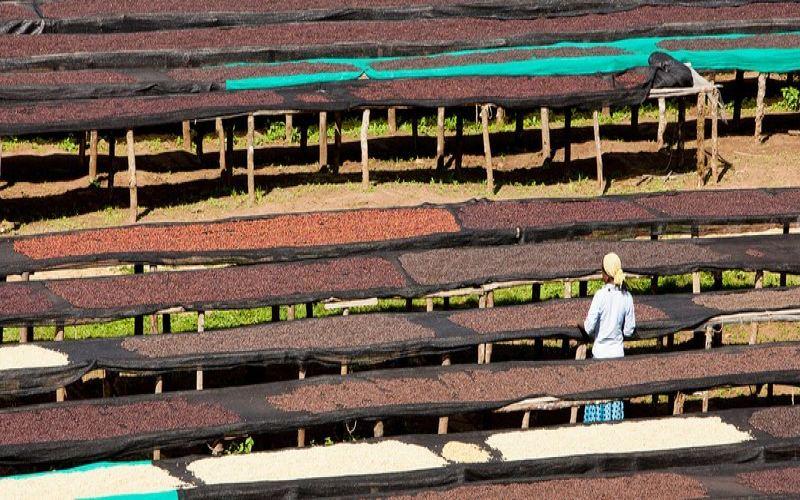
Not Sour, Not Bitter: What Roast Level Determines in Pour-Over Beans
If you want your pour-over coffee to taste mellow, roast level is a very practical entry point to observe. It affects the brightness of acidity, the way bitterness appears, the thickness of sweetness, and the direction of aroma. The so-called "neither sour nor bitter" does not mean weakening all the flavors, but rather finding the position that suits you best among refreshing, sweet, and full-bodied. [more…]
The Difference Between Single-Origin Coffee and Blended Coffee: A Comprehensive Analysis of Types, Blending Methods, and Flavor Characteristics
For coffee enthusiasts, understanding the difference between single-origin coffee and blended coffee is an important step in exploring the world of coffee. Single-origin coffee centers on beans from a single origin, emphasizing the unique character of regional flavors; blended coffee, through the skillful blending of multiple beans, pursues balance and complexity in taste. This article systematically sorts out the definitions, representative types, blending ratios, and flavor characteristics of the two, from Blue Mountain and Colombia to Mandheling, from cappuccino to mocha, helping readers comprehensively master knowledge of coffee classification. At the same time, the article also specially recommends related products from Front Street Coffee, providing professional reference for your coffee purchases. [more…]